June 11, 2026
Owning a vehicle brings a sense of freedom, but it also carries the responsibility of routine upkeep and occasional mechanical fixes. For most drivers, pulling into a service bay can bring anxiety, primarily because the final invoice for vehicle repairs can vary wildly from one visit to the next. This financial unpredictability often stems from a lack of understanding regarding the diverse variables that influence how automotive work is priced. Unlike standardized retail products, mechanical repairs are highly customized services tailored to the unique condition, age, and engineering of a specific car. When a vehicle begins running poorly, a driver might notice subtle shifts in how the engine behaves while waiting at a red light. For example, according to CarParts, the normal engine idle is between 700 and 1,000 rpm. When a vehicle deviates from this standard range, it can indicate a wide array of underlying issues, from a simple vacuum leak to a failing throttle body or a complex electrical fault. Unraveling these mysteries requires the trained eyes of local mechanics, who balance diagnostic science with physical labor to restore the vehicle to peak safety. Gaining a deeper appreciation for the factors that shape repair pricing helps vehicle owners navigate their maintenance needs with confidence and make informed decisions that protect their safety and budget.
The Specific Make and Model of Your Vehicle
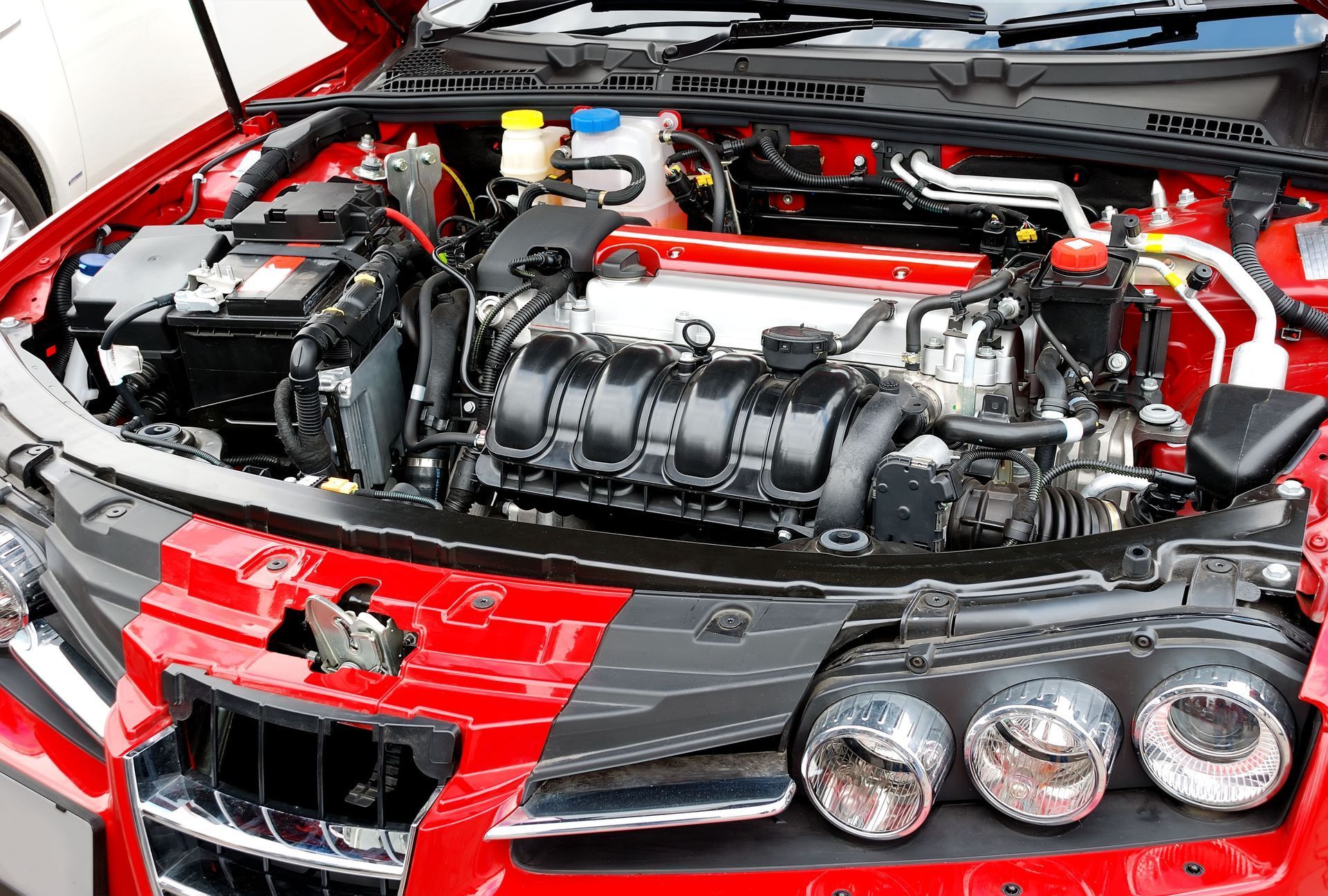
The engineering DNA of a vehicle is a primary factor that determines the baseline difficulty and cost of any mechanical intervention. Vehicles are not built equally; rather, foreign imports, luxury sedans, and high-performance sports cars utilize vastly different designs, tighter engine configurations, and specialized fasteners compared to standard domestic trucks or commuter vehicles. When local mechanics work on highly specialized import brands, they often require proprietary diagnostic software, unique hand tools, and specialized training to perform even routine maintenance tasks. Furthermore, the physical layout of a luxury vehicle often requires technicians to dismantle multiple unrelated parts just to reach a single failing component, which significantly inflates the time required to complete the job. In contrast, common domestic models are typically engineered with more spacious engine bays and simpler layouts, allowing for rapid disassembly and straightforward part replacement. This fundamental difference in manufacturing philosophy means that a repair that takes a brief period on a standard sedan can stretch into a prolonged, highly meticulous project on a premium import, driving up the total investment required to get the vehicle back on the road.
The Complexity and Location of the Damage
The physical location of a mechanical or electrical failure within the vehicle directly dictates how much effort is required to resolve the issue. Some components, such as a battery, an alternator, or a spark plug wire, are easily accessible right at the top of the engine bay, allowing for swift identification and replacement. Other systems, however, are buried deep within the transmission housing, the engine block, or behind the dashboard paneling, requiring extensive labor just to access the troubled area. For instance, a persistent leak in a main engine seal requires the physical separation of the engine and the transmission, a highly complex process that demands specialized lifting equipment and hours of careful realignment. Tracing a short circuit in a modern vehicle's wiring harness can involve searching through miles of insulated cabling routed beneath carpets and behind interior trim panels. This physical barrier means that a minor component worth very little in raw materials can require a massive labor investment to replace, as local mechanics must spend hours carefully navigating the vehicle's structural layout to perform the swap safely and restore complete functionality.
Original Equipment and Aftermarket Parts
The sourcing and quality grade of the replacement components used for a fix represent another major variable in the overall repair equation. When a vehicle requires new components, owners are typically faced with a choice between parts produced by the vehicle's original manufacturer and aftermarket components created by third-party companies. Original equipment manufacturer parts are engineered to meet the exact specifications of the vehicle, offering a guaranteed physical fit and predictable performance, though they generally command a higher price due to proprietary designs. On the other hand, aftermarket components offer a wide range of pricing and quality, with some brands matching original standards while others utilize cheaper materials to appeal to budget-conscious drivers. Local mechanics can help guide this decision, explaining when it is safe to utilize a budget-friendly aftermarket alternative and when it is vital to invest in original components for safety-critical systems. This choice directly shapes the final bill, as opting for premium materials secures long-term durability but requires a larger initial outlay.
The Labor Rates and Diagnostic Times
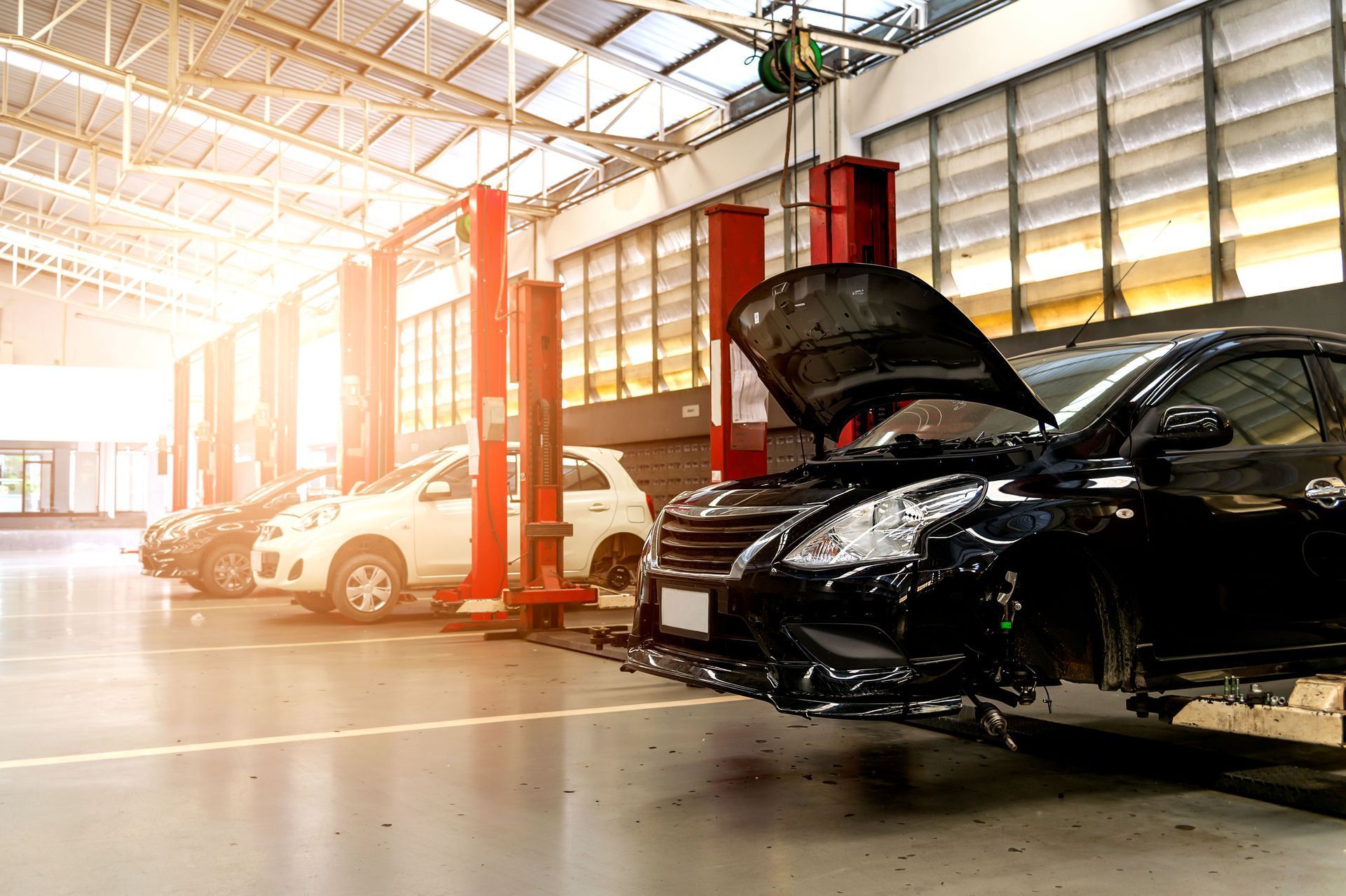
The professional expertise and time required to accurately diagnose and resolve modern automotive issues represent a significant portion of any repair bill. Modern vehicles are essentially rolling computers, equipped with a vast network of sensors, control modules, and electrical circuits that require advanced diagnostic equipment to interpret correctly. When a dashboard warning light illuminates, it indicates a system fault that local mechanics must systematically investigate through a series of electrical tests and physical inspections. This critical diagnostic phase requires a high level of technical training and analytical skill, as misdiagnosing a complex issue can lead to replacing functional parts and wasting valuable resources. Once the source of the trouble is identified, the physical labor rate of the service center comes into play, which reflects the shop's operational overhead, the geographic cost of living, and the specialized certifications of the technicians on staff. A shop staffed by certified technicians utilizing diagnostic tools ensures the repair is performed correctly and safely.
The Urgency and Timing of the Repair
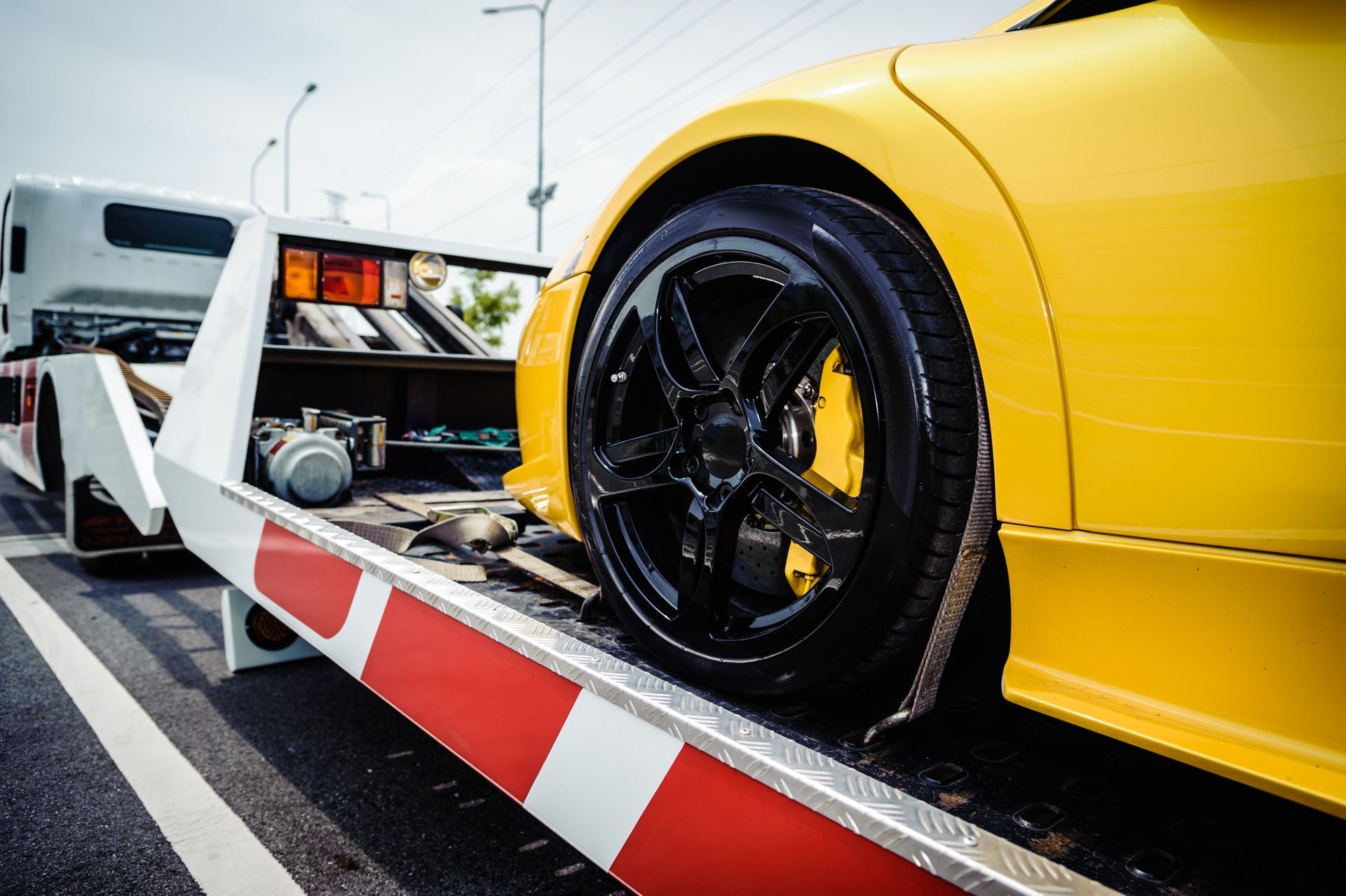
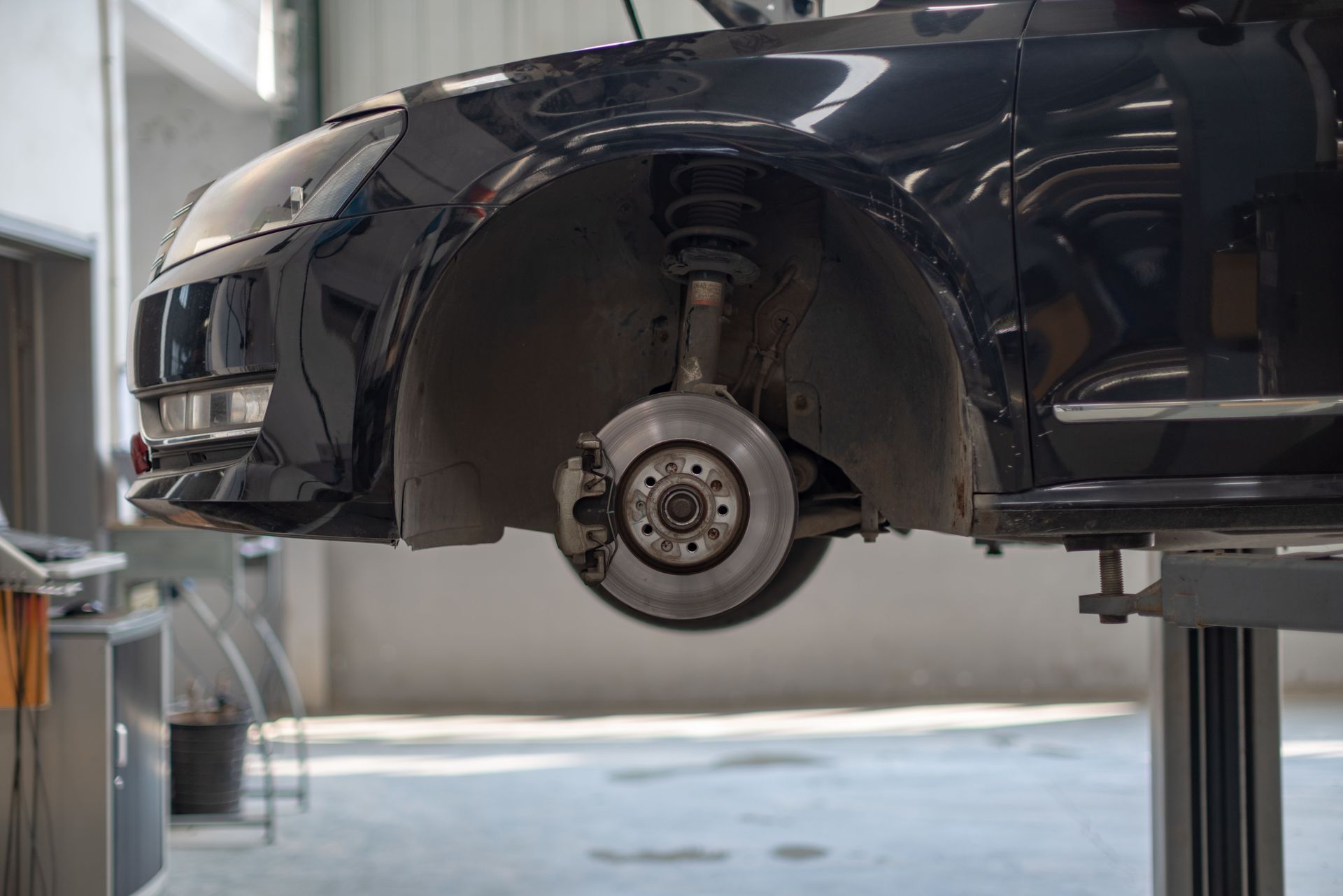
The timing of your service visit and the overall urgency of the situation can also have a surprising impact on how a repair project is managed and priced. When a vehicle suffers a sudden breakdown on a busy highway, a weekend night, or during a severe storm, securing immediate assistance often involves emergency towing fees and off-hours service premiums. Furthermore, if a driver ignores minor warning signs—such as a squealing brake pad, a minor fluid leak, or a rough engine idle—the continuous friction and heat can cause the damage to spread to adjacent mechanical systems. What could have been a simple, scheduled replacement of a wear-and-tear component can easily evolve into a complex, multi-system failure when left unaddressed, requiring extensive repairs that span several mechanical areas. Establishing a relationship with trusted local mechanics for routine inspections allows drivers to plan their maintenance proactively, avoiding the premium fees associated with emergency service calls and costly collateral damage.
At Doug's Towing & Automotive Repair, we believe that understanding the various factors that influence auto repair costs is the best way to build trust and ensure you feel completely confident in the care of your vehicle. Our dedicated team is committed to providing clear communication, honest assessments, and professional service, helping you navigate your maintenance needs without any unnecessary stress or hidden surprises. We treat every vehicle that enters our shop with the utmost respect, utilizing our professional diagnostic tools and extensive mechanical experience to get you back on the road safely and efficiently. Rather than waiting for a minor warning sign to turn into an expensive, sudden breakdown, let us help you stay ahead of your automotive needs with proactive care and reliable support. Contact us today to discuss your vehicle's performance or to schedule a comprehensive maintenance consultation with our friendly, experienced experts.