May 4, 2026
The automotive repair industry faces unprecedented challenges affecting service quality, profitability, and long-term sustainability as technology and economics reshape traditional business models. Shop owners navigate complex problems ranging from workforce shortages to evolving vehicle technology requiring constant adaptation and significant investment. Understanding what obstacles the industry confronts helps customers recognize why service costs rise and why finding qualified shops proves increasingly difficult. The difference between shops that thrive and those that struggle often comes down to how effectively they address mounting challenges. Learning what difficulties repair businesses face empowers consumers to appreciate the expertise and investment that quality service requires consistently.
1. Struggling With Severe Technician Shortages
According to PartsTech's 2025 Industry Report, nearly 46% of shop owners reported that the technician shortage significantly impacts their operations. The skilled trades face declining interest from young people pursuing college degrees, creating talent gaps that retirement accelerates as experienced technicians leave. This shortage forces shops to compete for limited qualified technicians, driving wages higher while reducing the workforce available for customer service. The recruitment difficulty that shops experience extends turnaround times, limits capacity, and sometimes forces declining work despite customer demand for services. Understaffed auto repair service shops struggle to meet customer demand, extend wait times, and sometimes turn away business despite needing revenue for sustainability. Shops invest heavily in training programs, offer competitive wages and benefits, and create attractive work environments, attempting to recruit and retain scarce talent. The workforce challenge they face shows no signs of improving as retirements continue, while fewer young people enter trades despite opportunities.
2. Keeping Pace With Advancing Vehicle Technology
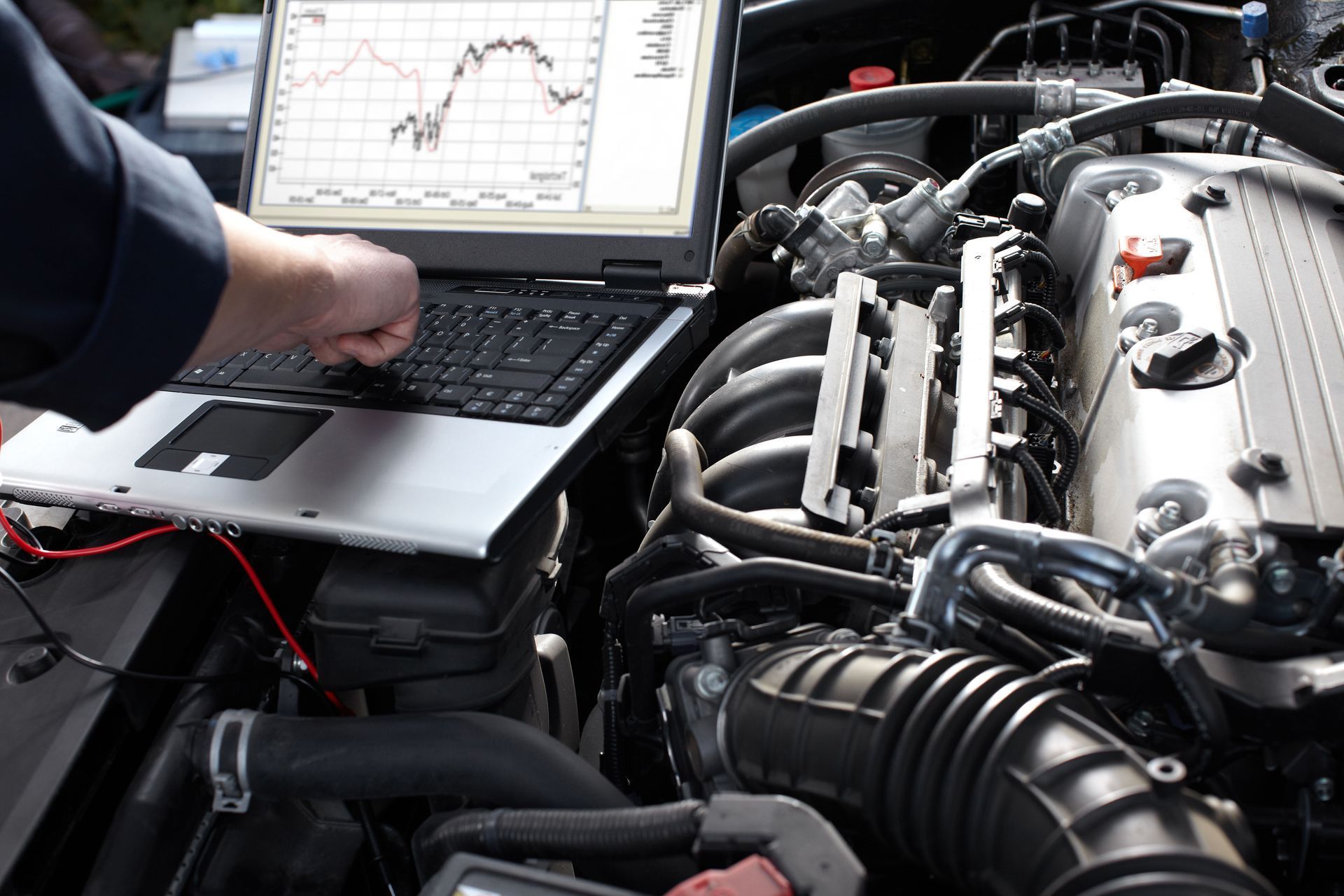
Modern vehicles incorporate sophisticated electronics, hybrid systems, and advanced driver assistance requiring specialized knowledge and expensive diagnostic equipment that demand constant updates. This technological complexity makes vehicles more reliable but dramatically increases repair difficulty when problems develop, requiring specialized expertise and tools. The equipment investment that current vehicle service demands proves substantial, with diagnostic tools costing thousands and requiring regular software updates to maintain compatibility. Technologically challenged auto repair service shops must invest continuously in training and equipment, keeping pace with rapidly evolving vehicle technology across manufacturers. Shops send technicians to manufacturer training, purchase specialized tools, and subscribe to technical information services providing the knowledge that modern repairs require. The technology burden they carry increases costs substantially while creating barriers that smaller shops struggle to overcome despite skilled staff and customer loyalty.
3. Managing Rising Parts and Supply Costs
Parts prices increase steadily while supply chain disruptions create availability problems, delaying repairs when components prove unavailable despite urgent customer needs. These cost pressures force difficult decisions about pricing, as shops must balance covering expenses against remaining competitive when customers compare quotes. The supply unpredictability that recent years created complicates estimating and scheduling when parts availability proves uncertain despite promises from suppliers. Cost-pressured auto repair service shops face a margin squeeze as parts costs rise faster than labor rates, which market competition constrains despite increasing expenses. They search multiple suppliers for availability, sometimes substituting quality aftermarket parts when original equipment proves scarce, and manage customer expectations about delays. The supply challenges they navigate prove particularly frustrating when repairs cannot be completed despite technician availability because parts remain backordered for weeks.
4. Competing With Dealership Service Departments
Dealer networks leverage manufacturer relationships, specialized training, and warranty work, creating competitive advantages that independent shops struggle to match despite quality work. Dealers receive technical support, special tools, and early access to parts that independents cannot access, despite serving the same vehicles. The competitive pressure that dealer networks create forces independent shops to differentiate through customer service, pricing, and convenience that corporate departments cannot match. Competition-facing auto repair shops emphasize personalized service, competitive pricing, and flexible scheduling that dealerships serving multiple customers simultaneously cannot provide consistently. They build relationships with customers, offer warranties matching dealer coverage, and demonstrate expertise that corporate service advisors lacking hands-on experience cannot replicate. The differentiation they create through superior customer experience helps retain clients despite dealer convenience and manufacturer endorsements that marketing emphasizes constantly.
5. Navigating Complex Environmental Regulations
Environmental regulations governing waste disposal, refrigerant handling, and fluid recycling create compliance costs that small shops struggle to absorb without scale advantages. These requirements prove necessary for environmental protection, but create administrative and financial burdens that large chains distribute across multiple locations. The regulatory compliance that responsible operation demands includes proper waste handling, documentation, and periodic inspections that require time and money consistently. Regulation-burdened auto repair service shops invest in proper waste handling, maintain required certifications, and document compliance, preventing fines that violations create. They contract with licensed waste disposal companies, train staff on proper handling procedures, and maintain records demonstrating compliance despite costs. The environmental responsibility they demonstrate protects communities while creating expenses that customers rarely consider when comparing service prices across providers.
6. Addressing Insurance Company Relationships
Insurance companies negotiate rates, approve repairs, and sometimes steer customers toward preferred shops, creating tension between quality service and insurer cost controls. These insurer relationships affect customer choices, repair methods, and profitability when companies prioritize costs over quality or customer preferences. The insurance dynamics that collision work involves create frustrations when insurers question estimates or pressure shops to use cheaper parts despite customer wishes. Insurance-dependent auto repair service shops navigate complex relationships with insurers who control repair authorization and payment for collision work that shops perform. They document damage thoroughly, justify repair methods, and advocate for customers when insurers dispute necessary repairs or demand cost-cutting compromises. The insurance expertise they develop proves essential for ensuring proper repairs despite pressure for economy that safety and quality sometimes require resisting.
7. Investing in Facility and Equipment Upgrades
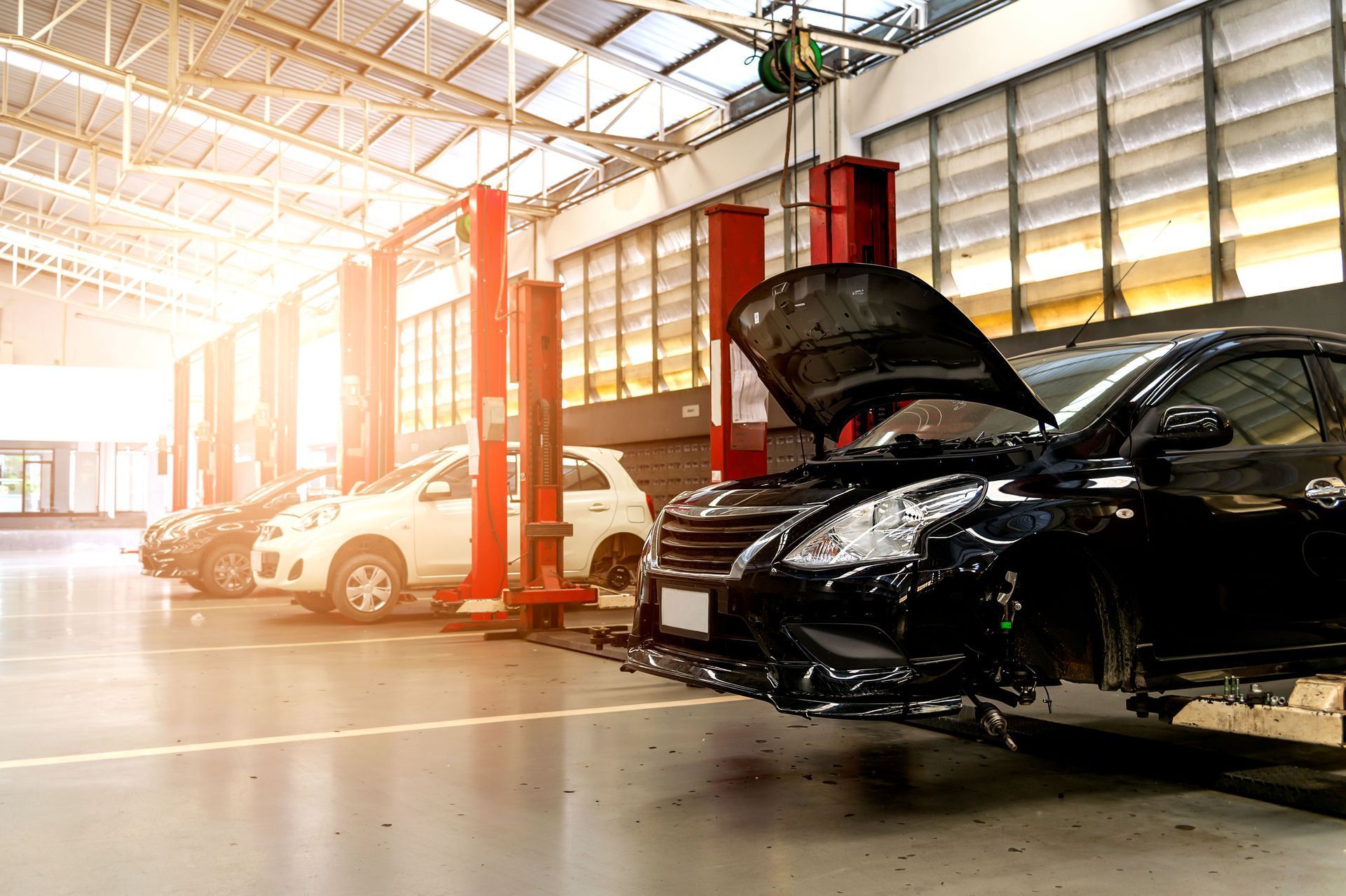
Aging facilities require expensive updates, including lifts, diagnostic equipment, and environmental systems that capital-intensive investments demand without guaranteed returns. These facilities' needs compete with other expenses for limited resources that small businesses struggle to allocate across competing priorities and demands. The capital requirements that modern service demands create barriers for shops lacking access to financing or profit margins supporting major investments. Facility-challenged auto repair service shops require expensive lift replacements, diagnostic equipment upgrades, and building improvements that tight margins make difficult to finance consistently. They prioritize critical equipment, delay cosmetic improvements, and sometimes finance purchases, spreading costs over time despite interest expenses adding to burdens. The investment pressures they face prove particularly acute for independent shops lacking corporate resources supporting the constant upgrades that technology demands.
8. Managing Customer Expectations and Communication
Modern customers research repairs online, question recommendations, and expect detailed explanations that time-pressed shops struggle to provide consistently during busy periods. These communication demands create friction when customers armed with internet research dispute professional advice based on experience and actual vehicle conditions. The education requirement that informed consent demands takes time that productivity pressures make difficult to allocate, despite improving customer satisfaction and trust. Communication-focused auto repair service shops invest time explaining repairs, showing customers problems, and educating them about why recommendations prove necessary despite internet research. They use photos, videos, and detailed explanations, helping customers understand issues, building the trust that internet skepticism sometimes undermines despite qualifications. The transparency they maintain improves customer relationships while requiring time that scheduling pressures make difficult to allocate during demanding days with multiple customers.
Understanding challenges facing the automotive repair industry helps customers appreciate the expertise, investment, and adaptation that quality service requires. The mounting difficulties that shops navigate affect pricing, availability, and service quality despite the owner's efforts to maintain standards and accessibility. Making informed service decisions means recognizing that reputable shops investing in training, equipment, and staff deserve support through the challenges. Whether you need an auto repair shop, towing station, brake shop, AC work, engine work, suspension, state inspections, wheel alignments, oil changes, auto maintenance, tire shop, diagnostics, exhaust, or battery service, Doug's Towing & Automotive Repair offers 24/7 towing, brings over 90 years of combined experience, and provides a 12-month/12,000-mile minimum warranty. For more information, contact us today!